Category: Finance

  • Divorced or Separated in Florida? Here’s How to Find Unclaimed Money from Your Former Life

    The process of getting divorced or engaged in a legal separation in Florida is definitely one of the most stressful one in life. When the emotional aspect of reorganizing your family mingles with the logistical nightmare that is disentangling years of common history, the financial side of the equation is liable to fall through the cracks. As you probably concentrated on the great stuff: the house, the cars, the retirement accounts, there is an untapped level of finance that is unknown to many Floridians: unclaimed money.

    Reclaiming your financial independence: How to track down forgotten funds and joint assets left behind after a Florida divorce.

    Statistics suggest that Florida consistently sees high rates of divorce, and with the state’s complex financial landscape, thousands of individuals inadvertently leave money behind. It could be a lost utility bill in an old apartment in Miami or a mutual savings account which was shut down when you moved to Orlando, but it is yours. It is not so much about the dollar value of reclaimed money as it is about gaining a complete financial independence and making sure that your new life is on a sound foundation.

    Why Divorce Creates Unclaimed Money Situations

    Divorce is a catalyst for administrative chaos. When a couple separates, their “paper trail” often fractures. In Florida, where snowbird lifestyles or military duty at a base, such as MacDill or Eglin, frequently spur relocation after relocation, the danger of losing the assets is even greater.

    Ordinary situations in which money is lost include:

    The Name Change Factor: When it comes to final judgment, many women will be found to change back to their maiden names. When a refund check or insurance payment is sent to a marital name that does not coincide with your current identification, the money tends to be held up.

    Settle the Inequalities: In a divorce, one party tends to relocate. If the “marital home” remains the address on file for joint accounts, mail regarding credits or refunds may be discarded or ignored by the remaining occupant.

    The Clean Break Mentality: If it is emotionally desirable, most individuals wish to be out of it as soon as possible. Minor balances in joint checking accounts or closing credits in a shared utility provider may not appear relevant during the battle of legal cases but with time they add up.

    To get further information on how to stabilize your condition, numerous analysts propose that you should be guided by a divorce financial planner to help you through the post-marital wealth maze.

    Common Types of Unclaimed Money from Divorce

    In a state as large as Florida, unclaimed property comes from a variety of sources. If you were married for several years, you likely had multiple “touchpoints” with financial institutions that could hold funds in your name or your former spouse’s name.

    Joint Financial Accounts: This includes matured CDs, forgotten credit union shares, or small balances left in checking accounts that were closed but had pending interest.

    Property and Housing: If you sold a marital home, there may be escrow surpluses, property tax overpayments, or insurance refunds. Even for renters, security deposits and utility “good faith” deposits are frequently left unclaimed.

    Insurance and Benefits: Life insurance policies with cash value, health insurance premium rebates, and even auto insurance refunds after splitting a policy are common culprits.

    Retail and Services: Don’t overlook joint gym memberships, vacation club refunds (common in Florida’s tourism-heavy economy), and shared credit card rewards.

    Searching Under Multiple Names and Addresses

    The secret to a successful search for unclaimed money in Florida at Reclaim.org is thoroughness. You cannot simply search your current name and expect to find everything. Because the financial industry relies on the data provided at the time the account was active, you must cast a wide net.

    The Name Variation Strategy

    Search by the names you used during marriage which were your married name, maiden name and any hyphenated name. In addition, also look at frequent misspellings or middle initials/full middle names.

    The Address Trail

    List every address where you lived during the marriage. This includes:

    Temporary apartments during the separation period.

    The marital home.

    A parent’s address if you moved back home briefly.

    Out-of-state addresses if you moved to Florida from elsewhere.

    Gathering old tax returns or bank statements can provide a roadmap of which institutions you did business with, making your search for divorced unclaimed money much more effective.

    Your Rights to Unclaimed Money After Divorce

    It is important to know your legal right. Florida is an equitable distribution state, i.e. assets are shared equally but not necessarily 50/50.

    Joint Assets: As a rule, you should be entitled to part of your part of a joint account refund, as provided in your divorce decree.

    Sole Assets: If the money is in your name (or maiden name) only, it is typically yours to claim entirely.

    The Divorce Decree: This is the most significant one. When the decree granted you all interest in the marital home, chances are that you are the only one who is to receive any property tax or insurance refunds of the home.

    In case of a friendly relationship with your former spouse, then having both signatures may make a claim easy to coordinate a search, particularly on joint funds. To those who would prefer to have a better understanding of the legal aspects of assets division, Nolo offers great materials about the post-divorce financial rights.

    Special Divorce Scenarios in Florida

    Florida’s unique population creates specific unclaimed money hurdles.

    long-term marriages: in case you had 20+ years of marriage, then you probably have decades of address changes and dead accounts to sort through.

    Military Families-Frequent PCS moves have often resulted in the creation of zombie accounts left behind at the former duty stations.

    Snowbird Divorces: If one spouse moved back north while the other stayed in Florida, mail forwarding errors often result in unclaimed funds after divorce.

    Moving Forward Financially

    Recovering such money is a strong move towards economic freedom. It can be $50, it can be 5000, but whatever is invested can be used to create your new emergency fund, clear legal fees or just have a cushion as you continue to live on your own.

    To avoid future problems with the existence of name change unclaimed property, you need to update your addresses and legal names to all money institutions, employers, and providers of services as soon as possible. The best solution would be to establish direct deposit when making all the refunds, so that money never goes missing again. To get additional suggestions on rebuilding, check individual finance advice guides specific to over-starting.

    Claim What is Yours

    Divorce is the closing of one chapter, but it shouldn’t mean leaving your rightful assets behind. Many people are shocked to find that Florida divorce unclaimed funds are waiting for them simply because they didn’t know where to look.

    Your old married life has no money lying unclaimed–find it to-day, and get it back. Otherwise, by using the name and addresses you have used in the past, you will be able to find out that no stone was left unturned. There is your money, you could easily bring it home.
  • Factors That Affect Personal Loan Interest Rates

    When it comes to taking out a personal loan, one of the most important factors to consider is the interest rate. The interest rate on a personal loan can vary widely depending on a number of different factors. Understanding what affects your personal loan interest rate can help you make informed decisions when borrowing money.

    Credit Score

    One of the most significant factors that affect personal loan interest rates is your credit score. Lenders use your credit score to assess your creditworthiness and determine the risk of lending to you. Generally, the higher your credit score, the lower the interest rate you will be offered on a personal loan. On the other hand, if you have a lower credit score, you may be offered a higher interest rate to compensate for the increased risk the lender is taking.

    Income and Employment

    Lenders also consider your income and employment status when determining your personal loan interest rate. Your income level can give lenders an indication of your ability to repay the loan. If you have a stable job and a steady income, you may be offered a lower interest rate. On the other hand, if you are unemployed or have an inconsistent income, you may be offered a higher interest rate to account for the increased risk.

    Loan Amount and Term Length

    The amount of money you borrow and the length of time you have to repay the loan can also affect your personal loan interest rate. Generally, smaller loan amounts and shorter loan terms are associated with lower interest rates. Lenders may view larger loan amounts and longer loan terms as riskier, so they may offer higher interest rates to compensate for this added risk.

    Credit History

    In addition to your credit score, lenders also consider your credit history when determining your personal loan interest rate. Your credit history provides a more detailed look at your past borrowing behavior and can show lenders how responsible you have been with credit in the past. If you have a history of making on-time payments and managing credit responsibly, you may be offered a lower interest rate. On the other hand, if you have a history of missed payments or defaults, you may be offered a higher interest rate.

    Market Conditions

    The overall economic environment and market conditions can also influence personal loan interest rates. Lenders take into account factors such as the current lending environment, interest rate trends, and inflation when setting personal loan interest rates. During times of economic uncertainty or high inflation, lenders may increase interest rates to offset the higher risk of lending.

    Collateral

    If you are applying for a secured personal loan, the collateral you use to secure the loan can also affect your interest rate. Collateral provides lenders with a form of security in case you default on the loan. Lenders may be more willing to offer lower interest rates on secured loans since they have a way to recoup their losses if you fail to repay the loan.

    In conclusion, there are several factors that can affect your personal loan interest rate. By understanding how these factors influence the interest rate you are offered, you can make informed decisions when borrowing money. Remember to shop around and compare rates from different lenders to ensure you are getting the best possible deal on your instant personal loan.

  • Understanding Outstanding Balance: How to Stay Debt-Free

    In today’s fast-paced world, it’s easy to fall into the trap of overspending and accumulating debt. One common form of debt that many individuals struggle with is credit card debt. Understanding how your outstanding balance on a credit card works is crucial in order to stay debt-free and maintain financial stability. In this article, we will discuss what an outstanding balance is, how it can affect your finances, and provide some tips on how to effectively manage it.

    What is an Outstanding Balance?

    An outstanding balance on a credit card is the total amount of money that you owe to the credit card company. This includes any purchases you have made, as well as any fees or interest charges that have been added to your account. Your outstanding balance is calculated by subtracting any payments or credits you have made from the total amount you owe.

    How Does an Outstanding Balance Impact Your Finances?

    Having a high outstanding balance on your credit card can have several negative effects on your financial well-being. One of the main issues is that the higher your balance, the more interest you will accrue. This means that you will end up paying more money in the long run if you do not pay off your balance in full each month.
    Additionally, having a high outstanding balance can also negatively impact your credit score. Credit utilization, which is the ratio of your outstanding balance to your credit limit, is a key factor in determining your credit score. If your credit utilization is high, it can signal to lenders that you are not managing your finances responsibly and may make it more difficult for you to obtain credit in the future.

    Tips for Managing Your Outstanding Balance

     Pay More than the Minimum: When it comes to paying off your credit card balance, it’s important to pay more than just the minimum amount due each month. By paying more, you can reduce the amount of interest you accrue and pay off your balance faster.

    1. Use a Credit Card EMI Calculator: If you have a large outstanding balance that you are struggling to pay off, consider using a credit card EMI calculator. This tool can help you figure out how much you need to pay each month in order to pay off your balance within a certain timeframe.
    2. Track Your Spending: To avoid accumulating a high outstanding balance in the first place, it’s important to track your spending and stick to a budget. By being mindful of how much you are spending, you can avoid overspending and minimize the amount of debt you accumulate.
    3. Set Up Automatic Payments: Setting up automatic payments for your credit card can help ensure that you never miss a payment deadline. This can also help you avoid late fees and penalties that can add to your outstanding balance.
      By understanding what an outstanding balance is, how it can impact your finances, and implementing some key strategies for managing it, you can stay debt-free and maintain financial stability. Remember to pay more than the minimum, use tools like a credit card EMI calculator, track your spending, and set up automatic payments to effectively manage your outstanding balance and avoid falling into the trap of credit card debt.
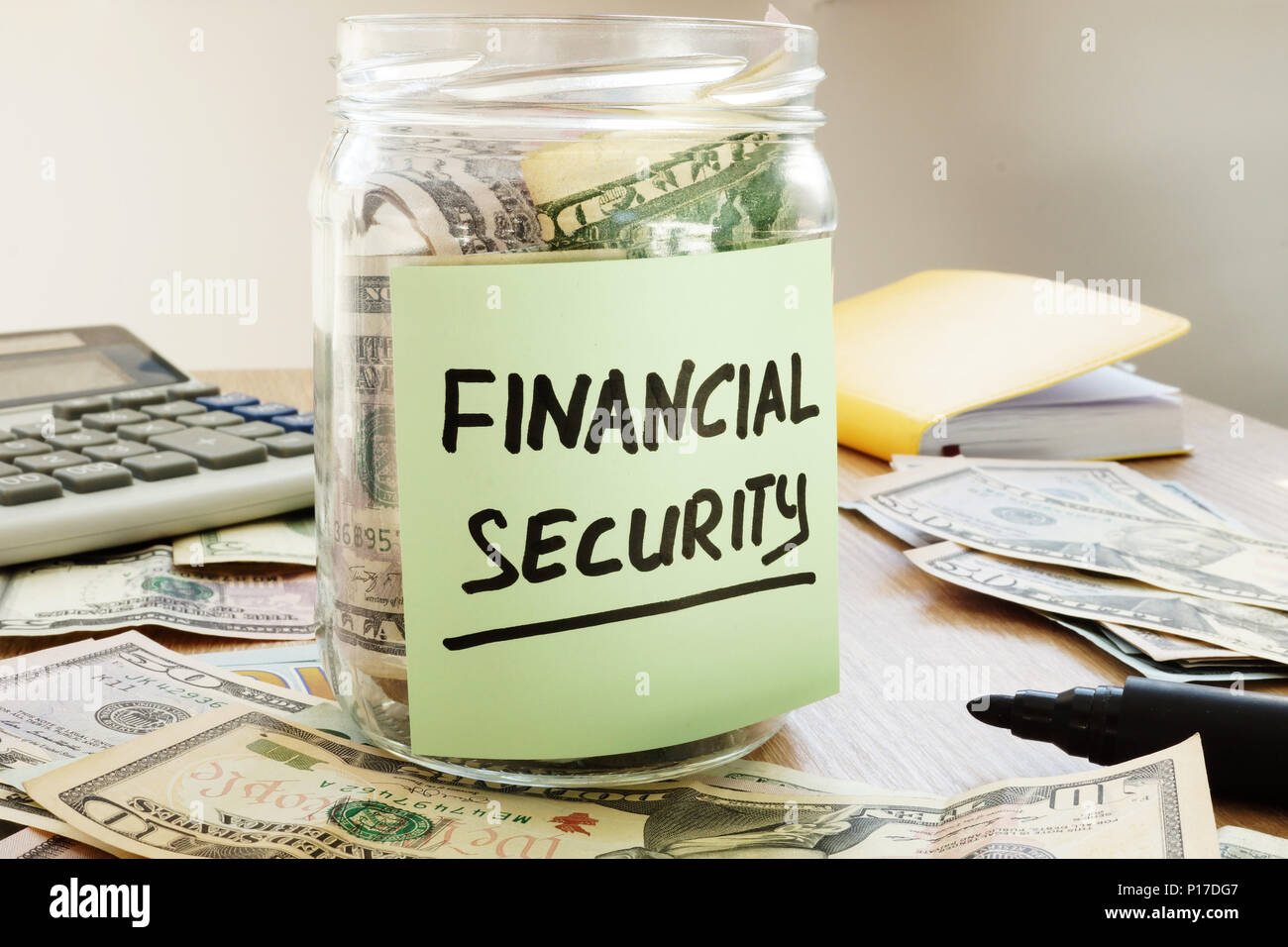
  • Ensure the financial security of your family’s future

    Ensure the financial security of your family’s future

    It is common practice to consult with a professional when seeking advice on health or legal issues, but this is not necessarily the case when it comes to financial and life insurance questions.

    you or a loved one were to suffer a tragic incident, would your family’s financial security be guaranteed? One of the most effective methods is to acquire the appropriate insurance – the appropriate level of protection at the appropriate price. Insurance requirements change with time. You should assess your insurance requirements every 10 years, or as soon as you reach a big life milestone, like as the birth of a child, with the help of a professional adviser.. The use of a programme like Portrait-Assurance can assist you in better understanding your existing and future insurance requirements.

    Provide for your loved ones AFTER your death

    If you don’t already have a legal will in place, what are you waiting for? When someone dies without leaving a will, the laws of the province in which they live are responsible for dividing their property and assets, without taking into consideration the preferences of the dead or those of his or her family. We highly advise that you retain the services of an attorney to create your will since there is a lot to consider.

    A will is just one kind of estate planning instrument that may preserve your assets

    Other estate planning options include trusts, life insurance, and long-term care insurance, among other things. Because of the complexities of estate planning, we highly advise that you consult with a legal and tax specialist for assistance. Don’t forget to update your estate plan after going through a major life transition, such as a marriage, divorce, delivery, or death.

    Take pleasure in the delight of debt reduction

    The quickest method to feel financially comfortable is to minimize, if not completely eliminate, your debt obligations. Because many Canadians believe that this solution is impossible, you must understand how to deal with the problem as effectively as possible. For example, for a few months, replace your credit cards with a debit card to see how it works. You will not be able to charge a negative balance on your debit card if you have one. Do not be afraid to talk with your financial counselor, whose tactics and recommendations will assist you in better debt management.

  • What Kind Of Financial Planning Options Would You Follow Now

    It is common practice to consult with a professional when seeking advice on health or legal issues, but this is not necessarily the case when it comes to financial and life insurance questions.

    The professional adviser investigates the many choices for building a strategy that may assist the customer in meeting both short- and long-term financial objectives.

    Prepare for the worst

    You can be prepared for the unexpected, even if it seems a little crazy. A sound financial strategy, which includes life insurance, can provide you with the peace of mind that comes from knowing that you are prepared to deal with any situation.

    Put an end to procrastination

    Now is the best moment to start thinking about your financial future, no matter what your age or economic condition may be. The financial plan you put in place now will serve as the basis for your future financial security and the financial security of your loved ones in the future.

    Plan your route

    As the phrase goes, how can you know where you are going if you don’t know how to get there? Prepare for the unexpected. The first step in financial planning is to have a clear understanding of your present overall financial condition. For Financial planning you can have the perfect choices.

    Create a list and keep it up to date with the latest information

    Our ability to react quickly in an emergency scenario is often hindered owing to a scarcity of information and papers. It is preferable to do it ahead of time, when you have a clear mind and clear thoughts. For this reason, it is important to create a financial plan in the case of an emergency and to keep it up to date on a regular basis. This strategy should take into consideration the following factors:

    Three to six months’ worth of living costs is readily accessible from a separate bank account, which may be used for other purposes.

    A list including all of the relevant contact information and medical information for each member of the family, including blood type, allergies, medicines used, and the doctor’s contact information, is also included.

    A copy of your life insurance policy, as well as any other insurance plans you may have.

    The name, location, and phone number of the school or daycare where the kid is enrolled for each child. A list of any adults (along with their phone numbers) who have been allowed to pick up your kid on your behalf is also required.

    What good is it to know where you’re going if you don’t know where you’re coming from first?

  • What is SME IPO? Is investing in it good?

    SME IPO refers to small and medium-sized enterprises’ initial public offering. It was launched in 2012 by the Indian Stock Exchange and SEBI to help small and medium-sized businesses raise funds. The National Stock Exchange (NSE) SME platform is EMERGE, and the Bombay Stock Exchange (BSE) SME platform is BSE SME. You can invest in it using any of the online stock broking platforms. But the question raises what SME IPO is, whether it benefits you, how it’s different from general IPO, and whether it’s safe or not. In this blog, we have talked all about SME IPOs.

    What is an SME IPO?

    SME IPO is a process through which small and medium-sized companies go public to generate funds. A company with a minimum net worth and profit of 5 crores in 2 years out of 3 consecutive years or a minimum net worth and profit of 25 crores in 3 years out of any 5 years is eligible for SME IPO (Small and Medium-sized Enterprises Initial Public offering). Investors, traders and individuals can invest in SME IPO by purchasing equity like they do for a general IPO.

    Difference between SME IPO and Main Board IPO

    SME IPOs and Main Board IPOs allow companies to go public and investors to buy equity in them. Both help the companies in generating funds. However, both of them include specific differences.

    • SME IPO is for companies with a maximum capital of Rs. 25 crore, and the mainboard IPO is for companies with a minimum capital of 60 crore.
    • The companies that get listed for SME IPO can be not well-known. Whereas companies listed in IPOs used to be popular.
    • IPOs launched by large enterprises are more trustworthy than those projected by SMEs.
    • Growth in IPOs can reflect immediately.
    • Gaining profit in SMEs can be a long-term investment.
    • SME shares get traded in lots. Meanwhile, in an IPO, the shares get sold in numbers.

    Advantages of Investing in SME IPO

    1.    High Growth Potential

    Since SMEs are small enterprises, they hold an excellent opportunity to grow and cover the market. With SME IPO, companies get recognised, generate funds and become valuable. SME allows the company to grow. Now that the company grows, the value of your purchase stock grows. In 2023, 26 SME IPOs gave 100% returns after listing.

    2.    Diversification of Your Investment

    With the investment in SME IPOs you can diversify your investment with many companies. With the investment in an SME IPO,  you can  mitigate the stock market risk by diversifying your investment among different companies and industries.

    3.    Multiple Investment Opportunity

    You can find different companies of various industries listed in SME IPOs. It allows you to invest in multiple companies, industries, and potential brands. With an SME IPO, you will have more investment alternatives.

    4.    Support to Business

    With SME IPO, you can offer help to businesses. Investing your money in them can create a positive environment for the companies. However, invest in such SME IPOs where you find potential to grow.

    5.    Competitive rate

    The equity price for SMEs is low when compared to the mainline IPO. It means that you can create capital with lower investment in SME IPO. The companies set the minimum investment amount in the SME IPO. The maximum investment amount in the SME IPO is fixed to Rs. 5 Lakh.

    Disadvantages of Investing in SME IPO

    1.    High Risk

    The investment with SMEs comes with high earning potential. It holds equal risk. There can be chances that the IPO launched by an SME doesn’t work in the market and fails to raise funds, resulting in a loss of your investment. Moreover, SMEs are highly affected by market volatility, making it highly risky to invest.

    2.    Lot’s of research required before investing

    Small and medium enterprises are less known, making them less credible. You must research from scratch to learn about past performance and future business predictions. You must consider products/services, their upcoming trends, target audience and more before making the investment decision.

    3.    Limited disclosure

    Since the company is less known, there can be less information about it. The limited disclosure about SME IPO can impact your investment decision.

    4.    Lack of liquidity

    Liquidity refers to how smoothly you can sell and buy stocks without changing prices. SME IPOs include a lack of liquidity, which means sometimes it can be challenging to sell the stocks when you want to, and this may result in a loss to you.

    Should You Invest in an SME IPO?

    Now that you know the advantages and disadvantages of investing in an SME IPO, you might think about whether or not you should invest in it. It answers that it depends on several factors such as:

    1.    Your risk bearing appetite

    Investing in SME IPO is associated with high risk. You must consider your risk bearing capacity before investing in SME IPOs.

    2.    Potential of the Company

    You can look at which kind of company listed for the SME IPO. Does the company have a futuristic approach? Whether it solves any problem for its end user or not. Decide by collecting information from different sources, research papers, etc., to invest in SMEs’ stocks.

    3.    Finance Management Skills

    If you want to diversify the fund, SME IPO can be a better option. However, to do it effectively,  your finance management skills are crucial.

    Investment with SME IPO allows you to build capital by buying stocks in lots. It will help you grow exponentially if the company performs well in the upcoming future. Moreover, through it, you will positively impact the business environment. Your small investment can be a hope for a company to raise funds and grow.

    How to Invest in SME IPO

    If you’ve decided to invest in SME IPOs, you can follow the below-mentioned s

    1.    Find an Online Trading Platform

    There’re several online trading platforms. You can analyse different platforms and select an online trading platform for your investment based on brokerage charges, authorisation, and convenience.

    2.    Sign in/Sign Up

    Download your preferred stock trading app and sign in using your user Id and password/pin. However, if you’re new to the platform and investing in stocks for the first time, you must sign up.

    3.    Open Demat Account

    Once you sign up, proceed to open your demat account. You’ll need to fill out the Demat account opening form, do the KYC verification and submit certain documents. Some essential documents to open a demat account are:

    • Bank Account & Cancelled Cheque
    • Proof of Address
    • Proof of Identity
    • Pan Card
    • Photograph
    • E-sign
    • IT return or payslip (optional)

    4.    Wait for verification

    Once you create a demat account, you’ll need to wait to get it approved. Verifying the demat account can happen in a few hours to 48 hours.

    5.    Check for SME IPOs

    On the online trading platform, you can check different SME IPOs listed. You can look at the current and upcoming IPOs.

    6.    Research about the listed SME IPOs

    Once you check the SME IPOs. Study about the company, its current status, and future potential. You can also study the closed SME IPOs to identify their risk and profit factors.

    Best Industry for the Investment in SME IPO

    Technology-based Product Manufacturing Company

    If you’re considering investing with SME IPOs, a technology-based product manufacturing company can be the best option. It has been seen that small and medium-sized companies that manufacture technology products close at higher rates than their issue price. Examples are Australian Premium Solar (India) Limited- SME IPO, Akanksha Power and Infrastructure Limited – SME IPO, and Supreme Power Equipment Limited – SME IPO.

    Service-based company

    Another industry that is booming is service-based. They act as a bridge between producers and customers. These companies solve the problem of users, holding a great future. These kinds of company’s SME IPOs also succeed in the market. Examples are Maxposure Limited- SME IPO, Konstelec Engineers Limited – SME IPO, Kay Cee Energy & Infra Limited – SME IPO, Trident Techlabs Limited  – SME IPO etc.

    Ed-tech company

    The field of education is emerging with technology, creating a great opportunity. SMEs launched by ed-tech service companies are also booming, increasing high potential—for example, Addictive Learning Technology Limited (Lawsikho)- SME IPO.

    Healthcare industry

    Healthcare is such an industry that it is an integral part. Companies/organisations associated with this industry have great opportunities, allowing you to invest in SME IPO without worry—for example, Medi Assist Healthcare Services Limited.

    E-commerce Platform

    The way people are shifting to online instant delivery, e-commerce platforms create a huge opportunity. You can consider investing in it. Such an e-commerce platform involved in selling goods and services is Kaushalya Logistics Limited; its SME IPO closed at a higher rate than its issue price.

    Conclusion

    SME IPO is an opportunity for businesses to collect funds. At the same time, it’s an opportunity for investors and traders to diversify their investment in the stock market and expect higher returns with the company’s growth. Investing in an SME can be a good decision if you consider your financial condition and risk-bearing capacity, do proper market research, and select the right company to invest in.