Blog

  • 8 Accounting Tips for Small Business Owners

    Entrepreneurs have a lot on their plate as they manage their business. They oversee various aspects; from inventory and supply chain, to manpower, accounting and audit, to customer service. Doing business is way more than just purchasing goods and selling it to people. For every business to flourish, a business owner has to know how to manipulate his profit. This is where accounting practices come in.

    Read the list below to learn crucial accounting tips for your small business.

    1.     Keep track of your spendings

    If you haven’t been using any systematic means to keep receipts and POs, now’s the time to do so. Bookkeeping is important because it lets you verify day-to-day transactions for categorization. Through bookkeeping you also get to reconcile your bank statements. By keeping your records intact, you get to monitor your expenses so you can prepare financial statements. You see if you’re spending too much on a commodity or service that isn’t really doing well. It helps you decide where to and where not to spend your capital.

    2.     Compute your Gross Margins

    Remember that it’s not enough to sell everything on the shelf. At the end of the day, it’s not just sales that matter. What gets left after you’ve paid for costs and expenses is what will keep your business running. Determine your Cost of Goods Sold and subtract it from your revenue to get a rough estimate of your Gross Margin.

    3.     Be ready for unexpected expenses

    Whether it’s a calamity or furniture and equipment upgrade, you need to have ‘backup cash’ for immediate and unavoidable expenses. During months where there’s a peak in sales, save as much as you can.

    4.     Hire “who’s” necessary

    With all the ads you see on the internet encouraging you to try DIY accounting, it can be easy to get carried away. Because you’re in charge of your business, you try to “not spend” on people whose work you think you can do. But having professional help beside you when you’re confused about where your money went can prove to be a valuable asset for any entrepreneur. Using the best accounting software is essential but getting advice from an expert is better. Accountants or bookkeepers will keep your finances in order and transparent to avoid discrepancies.

    5. Don’t neglect your clients’ unpaid balances

    Your accounts receivable may be one of the more attractive items to look at, but pending collections shouldn’t be taken for granted. Do not let your customers miss or avoid their regular dues. Unless you’re in the lending business, it’s not healthy to let your clients have the mentality that credit is okay, or worse, that not paying any outstanding balances is perfectly fine. Stand your ground and do not release their orders unless they’ve paid costs. If you have clients who haven’t paid their previous orders, settle those first.

    6. Monitor your labor costs

    Your manpower is an integral part of your business’ success. Regardless of how many people make up your personnel, make sure they are compensated well and fairly. Do not be stingy on perks and benefits, especially for well-deserved employees.After all, happy employees make a happy company.

    7. Make a list of regular payments

    There are expenses that you pay on a regular basis and being proactive helps minimize labor.

    8.Do monthly profit forecasting

    Don’t get drowned with complicated calculations. Come up with a detailed and accurate summary of obligations and expenses to get an idea of how much you need to maintain each month to stay afloat.

    Start right and start strong. Prioritize what’s important and engage in activities that will help you grow your business.
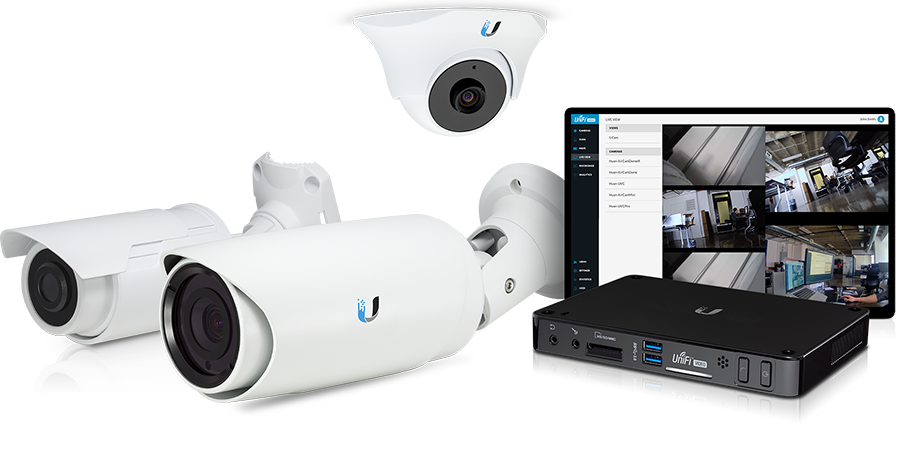
  • The Growth of the Security and Surveillance Market in India

    The Growth of the Security and Surveillance Market in India

    Security and Surveillance

    In today’s world one cannot contemplate being able to lead a contented life free from all worries without meeting all the necessary aspects of security and surveillance. This requirement is felt in India perhaps more than just about any other country globally. The reasons are well known to all. India is right now in one of the most dangerous areas of the world. With Pakistan next door and a continuous chain of terrorists practically streaming into India from our west as well as the north from Occupied Kashmir, we need to ensure that all our sensitive areas are fully protected with the latest equipment in security and surveillance. If the vulnerable area needs it we will have to use the best equipment marketed by the perimeter security solutions manufacturer. If the vulnerable point demands it we will use the latest in Anti-terror Security & Access Control Systems. Our choice will be guided solely by threat perception. Fortunately, there is a fair growth in the security and surveillance market in India.

    Growth in the Security and Surveillance Market in India

    The video surveillance market is growing at an excellent rate and is “expected to top $ 2.4 billion by 2020”. However, despite the fact that the surveillance systems in use based on the analogue system accounts for the majority of almost “65% in the overall market”, it is still expected that the “IP based surveillance systems are expected to grow with relatively higher CAGR of 41.8% in the coming years”. There are reasons as to why the IP Surveillance Market is expected to grow.

    The IP Surveillance market is expected to grow because of

    • Firstly the impressive increase in IP infrastructure and
    • Secondly the rapid decline in prices.
    • The third reason is that there is an increasing demand for remote access.

    In the earlier days, analogue based CCTV surveillance systems prevailed. But, with the advent of suitable technology, there has been a steady drift towards systems based on Internet Protocol (or IP). Today the IP based digital system gives you the facilities of remote surveillance and background screening. It is a fully integrated system that offers video analytics as well as digital video besides detection that is based on sensors.

    Prime Players have Stepped into the Market

    It is due to a sustained increase in activities related to terrorism with a growth in crime rates and data thefts that there has been an increase in awareness and the appreciation of the significance of security and surveillance. Consequently, there has been an increase in monitoring from remote and a spurt in the growth in public infrastructure besides an increase in IT expenditure and strong initiatives from the government. The combination of all these factors has brought about a boost in the Indian market for video surveillance systems.

    Today there is a host of good products in the market. There is therefore an evident growth in the number of these systems in even Tier 4 cities in the country. The key players in the video surveillance market in India today include prime players such as Honeywell and Bosch besides Zicom and Axis Communication.

    The Indian market has just noted the entry of one of the major players in the imaging industry, Canon. The company with an impressive global presence has stepped into the surveillance market with its new set of IP cameras that feature smart video analytics. Its range of equipment includes a wide variety of applications for both the indoor and outdoor. The applications include not only the retail industry and surveillance of the city but also critical monitoring of diverse infrastructures.

    The Future

    The future in security and surveillance in India indicates a thrust towards security solutions products manufacturers that are closely integrated rather than being standalone. Product will henceforth be coupled with service more frequently while the IP camera is fast becoming ubiquitous. One of the important trends seems to be the integration of software related to business intelligence to the video surveillance system. Henceforth it appears as if the security solutions will have an integrated approach that is both cloud based and mobile operated.

  • Buying a New Home? Consider these Insider Tips on Residential Security

    Buying a New Home? Consider these Insider Tips on Residential Security

    Buying a new home can be both daunting and exciting. On one hand, it is a fresh start in an environment full of new faces and a lot of great potential. On the other hand, it entails being in an unfamiliar place full of challenges and possible security risks. But starting anew doesn’t have to mean living in fear, so long as you know how to keep yourself and home protected.

    Anyone can be a victim of natural and man-made hazards, but new homeowners can be a special case. Not used to their surroundings, they are susceptible to natural, unfamiliar risks, such as dangerous animals and plants, as well as unfriendly weather phenomena. They can also be an easy target for crooks. By following these tips, new homeowners can keep their property, their family members, and their own well-being protected and safe:

    1. Install new locks. Nothing beats putting up sturdy locks when it comes to protecting your home, so this should be one of your top priorities. If you are in a tight budget, you may opt to “re-key” your existing locks instead so they can’t be opened by their old keys. But if you have the money, be sure to buy brand new and don’t cut corners either. Durable, high-quality locks can be pricier than normal, but they make up for the cost with the extra security they offer.

    2. Use security screens. Something as basic as a window screen can protect you and your home from harmful fauna and even robbers. Take note that not all screens are made equal though. Choose those that are made from top-of-the-line materials that are not easy to destroy by gnawing or cutting with a knife.

    3. Install a home security system. Aside from security windows and doors, you may also install closed circuit television (CCTV) cameras which let you monitor what happens on your environment. You may install several cameras around your home to maximize your vision. You can also install other components, such as burglar and smoke alarms which detect trespassers and fire hazards even while you sleep.

    4. Pay attention to your garage. Even after installing security sliding doors, burglar alarms and other necessary measures to protect your front and back doors, you may still end up getting burgled through your garage. In fact, a lot of robberies in the US start out this way. As such, it pays to make sure that your garage door is made from sturdy materials and is sealed with top-grade locks.

    5. Solicit the assistance of professionals. Even when you can do the installations yourself, it would be a good idea to get professional opinion. Home security specialists are trained in the many ways to protect your home, so getting their say means avoiding mistakes that could cost you your well-being.

    6. Get a dog. With their remarkable intelligence and unwavering loyalty, dogs make great companions. But their sharp senses, amazing agility, loud bark and mean bite also make them awesome guards. In fact, some dog breeds were created specifically to develop traits that would make them effective at guarding everything from your baby to your home. Burglars know this and as such, often think twice about getting into a house with a dog. You may even put up a “Beware of the Dog” sign even when you don’t have one just to discourage crooks, but having a real canine is infinitely better.

    Buying a new home can be stressful enough as it is, especially as you worry about moving your things and saying goodbye to the familiarity and comfort of your old home. Ensuring that you have all the important security measures installed will help ease your anxiety and make you feel better about transferring to another residence. It will even help you focus on the more exciting aspects of your new journey and on keeping the move as productive as possible.

    How do you maximise your own home’s protection? Tell us in the comments.

    John Kings is a blogger and infopreneur who writes on various topics mainly home security. At present he works on behalf of rockinghamhomesecurity.com.au

  • Tax Accountants – What They Do And How To Get The Best

    Tax Accountants – What They Do And How To Get The Best

    Tax accountants are responsible for collecting tax-related information, taxation reporting to authorities and tax management. A tax accountant can save you from legal trouble with the relevant tax regulatory body in your state or locality. This means they need to know everything about tax laws and regulations and also remain up to date if at all they are to offer you proper guidance on all tax related issues.

    Failure to comply with the set laws and regulations can land you in trouble usually in hefty fines, but action also taken against your business or businesses. It is important to get a tax accountant to guide you through the complicated tax laws and requirements. A tax accountant has several tasks to play, including the following.

    • Creating tax data collecting systems

    • Devising proper tax strategies to reduce or eliminate tax payments

    • Updating company sales tax database with any changes to tax rates

    • Preparing and updating tax provision schedules

    • Negotiating with the tax authorities over any tax payment issues

    • Advising on the impact of any new laws on the tax liabilities and impact on corporate strategies

    • Identifying tax savings and coordinating any tax preparation work that is outsourced

    • Coordinating audits and completing tax reporting on time

    When you have a reliable tax accountant to work with, you will have little to worry about around taxes and remaining compliant. But you also need to ensure that you choose the best one to handle your personal or business finances to enjoy a pleasant experience all through. Here are a few questions you should ask the tax accountant you are about to hire to gauge competence and suitability for the slot in your affairs.

    What is your clientele? It is important that you get a tax accountant who is familiar with your line of business. Every industry has certain tax rules that need to be followed and how income is reported. Your tax expert should know the ins and out of the industry you are in.

    What tax program are you familiar with? Even though this should not really be the basis for making your selection, it is good to find out what program they are going to use. QuickBooks is the most common, especially for small businesses, but there are different tax software options that can be used. Ensure the program will not in any way interfere with your need to switch to another accountant in the need ever arises.

    What is your experience? Apart from understanding your line of business, a tax accountant who is familiar with the relevant tax agents and how they work is best placed to offer you the kind of services you may need. Certification could mean that they have some experience handling audits and have knowledge on how the tax system works, hence financial planning will not be too much of a challenge for them.

    How available are you? The truth is that most accounting firms work during tax seasons only. If you are a small business, you may require assistance all year long, hence the importance of getting a tax accountant you can rely on whenever an issue arises and needs immediate addressing.

    Who handles the work? It is not uncommon for accountants to outsource work to third parties. It is always best that you know exactly who will be handling the work so you put in measures that will give you an easy time speaking directly to them in case that becomes necessary.

    How do you bill your services? Some may offer flat rates for all services, whereas others may charge on an hourly basis. Ensure whichever plan you settle for is reasonable and worth the services you will be getting.

    Byline: Stephen has worked as an expert tax accountants Sydney in a number of small to large accounting firms in Brisbane. In 2008 he founded Blake & Co Accountants and in 2009 he founded BrisTax. Professionally, he specialises in income tax. He has for many years had a keen interest in both business and technology.

  • 5 Sneaky Terms and Conditions 0% Introductory Interest Cards Include in the Fine Print

    5 Sneaky Terms and Conditions 0% Introductory Interest Cards Include in the Fine Print

    How many envelopes in the mail, ads on TV and pop-ups online do you see with the teaser “0% Interest for 6 Months”? My mom always told me that if it sounds too good to be true, it probably is. And, unfortunately, when it comes to America’s favorite type of plastic, there really are some catches to the zero-percent APR credit card scheme.

    1. Tiny Interest Rates Might Mean Hefty Annual Fees
    The APR of a credit card is only one of the many ways credit card companies generate huge revenues. In 2014 AmericanExpress brought in $36 billion, while Visa and MasterCard generated $22 billion. If these companies are directly, or indirectly providing consumers with zero-percent interest teaser rates, where are they making their money?

    Zero-percent interest doesn’t make a credit card totally free to use. The average credit card fee in America is $58. That means that paying your bill on time and in full each month will definitely cut down on interest costs, but you’re still paying close to $60 every year just to use your own money.

    2. The Penalty APR is INSANE!

    Signing on the dotted line and taking advantage of zero percent interest, even if it’s just for a little while, sounds like a smart financial move, right? If you’re a perfect human being (I have yet to come across one) then you’re right, there’s very little chance that you’ll make a mistake and trigger a fee or high-interest charges.

    But, if you’re like the rest of us humans just trying to soldier on and do the best we can, there’s a very high-risk that you’ll trigger some colossal fees. The fine print in your cardholder agreement will outline the late fees, penalties and APR that applies to purchases after the teaser rate expires.

    To be honest, I’m not a big fan of credit card balance transfers, a couple of my friends have been ravaged by unexpected fees. It’s easy to lose track of time, and before you know it, interest starts to pile up. Take the time necessary to understand the terms and conditions associated with your teaser rate. Missing a payment or pay-off deadline can be extremely expensive.

    Instead of playing the balance transfer game, gain total freedom from crushing debt by consulting a debt professional. You’ll gain a competent strategy for quickly resolving your financial challenges.

    3. Promotional Financing from Retailers can Be Expensive

    Oh, and those of you that use store-branded credit cards (Best Buy, Macy’s, etc.) to take advantage of promotional financing need to pay extra close attention to when the promotional period expires. In the event that you fail to pay off the entire balance of your purchase during the interest-free financing period, your statement balance will balloon up overnight.

    When the promotion on your credit card expires, the card issuer will backdate the interest owed to the date of purchase. Most consumers sign up for a store charge card because they want to take advantage of the promotion, often failing to ever read the terms of the cardholder agreement. Interest rates in excess of 22% are not uncommon.

    4. Credit Card Payment Terms

    The way that a credit card company applies payments to your credit card account is important. Everyone knows that you’re required to pay a minimum balance payment each month. But, some customers prefer to make multiple payments throughout the month. I’ve done this before in order to ensure my balance remained at zero (I hate paying interest!).

    But, there’s a trick that some credit card companies use to generate additional late-fees, even though you might be paying off your bill each month. Take a look at the cut-off date for payments. Depending on the date you make your payment, it might be credited to a previous statement, instead of the current one. You could assume incorrectly that you’ve made your required minimum payment, but you need to make sure it’s applied to the correct monthly statement.

    This can get confusing to understand, so it’s always best to refer to your cardholder agreement. If you run into difficulty, you can always call your card issuer and request a breakdown on how your payments are applied.

    5. “Up To” is very different from “Through”

    When listening to a credit card company advertise an introductory rate in their ad, you’ll likely here the term “up to X number of months”. Some credit card companies tailor their interest-free period to each individual cardholder. Even though you’re signing up for a card based on an introductory interest-free period, it’s important to check the actual introductory term in your agreement when you receive your credit card.

    It’s possible that your introductory period could be shorter than was was advertised. In the war of advertisements versus cardholder agreements, the black and white print always wins. And this is doubly true for the promises that the representatives make when they convince you to sign up for a card. Always, always check the fine print.

    Cleaning Up the Mess from Unexpected Fees and Sky-High Interest

    Zero-interest introductory rate credit cards can be great tools, allowing you to focus your entire monthly payment on the principal balance, but things can go from bad to worse very quickly. Getting slammed with unexpected credit card fees, penalties and backdated interest can lead to financial difficulty. We all want to live without debt, but it’s just too easy for the payment lifestyle to become a habit. High credit card balances, sometimes caused by these fees, puts stress on a marriage and digs consumers a hole that can take years to get out of.

    Debt relief agencies have become almost as popular as credit cards in America. These agencies are experts in providing a pathway out of crushing debt. Their services assist clients in avoiding bankruptcy and establishing responsible financial habits. It’s important to face the challenges of crushing debt head-on and early. Sticking your head in the sand and hoping your debt snowball will magically melt away is dangerous. Instead, find a qualified debt professional to discuss your options for paying off, consolidating or eliminating your debt.

    By fully understanding the terms of your credit cards, you’ll be in a stronger position to avoid the stress of unmanageable debt. Read carefully, and create an alert in your calendar for when the introductory period expires.

  • 5 Tips that Put You in Charge of your Finances

    5 Tips that Put You in Charge of your Finances

    Debt is one of those topics we try our best to avoid or to explain away, but when the average household is carrying $132,086 in debt with over $15,000 of that amount being credit card debt, it is a conversation that needs to happen, as uncomfortable as it sounds.

    Most of us want to control and reduce our debt load, but because of low-income growth rates and rising costs of living, debt can sometimes feel like an unattainable goal. However, by taking a few simple steps, you can start to get yourself set up for financial success.

    1. Spend Less and Become Addicted to Saving

    We often aren’t acutely aware of what we spend. Taking some time to go through your purchase history can help you identify areas where you may be able to cut back. Make a list of the things that you must have, and a list of what you could spend less on. Then make it a focus to save rather than spend.

    You don’t have to give up every optional item. By scaling back on a few luxury items, you can still buy things you enjoy but at the same time, still see your savings grow, and your debt shrink.

    Also, consider a small regular transfer from your checking to savings. Create your budget without including the amount you move. It will help you save and as you see the amount in your savings increase you, will be less tempted to spend it.

    2. Increase the Amount You Pay

    Even if it is only by a few dollars, paying more than the minimum can help you to pay your debt off more quickly. Review the amount of interest you pay for each debt you have. Then, evaluate the interest your savings account is earning. It may be a better idea to pay more on debts that have high-interest rates with the money in your savings account. It may feel painful at first but when you see your debt decrease, it will be worth it.

    3. Reduce Your Credit Card Debt

    It can become easy to rely on your credit cards to help you out if you need to pay other bills. But at the same time, it can also make it harder to save especially when you are paying high-interest rates. So how can you manage your finances while reducing your credit card debt and increasing the amount you can save?

    Start by reviewing your statements. Know how much interest you currently have. While paying more on your cards as suggested previously can help lower the overall amount of your debt, go the extra mile by stopping the use of your credit card completely. This way, you stop your credit card debts from increasing.

    When you rely on your credit cards to help pay other debts, it is often a hard habit to break. However, when you see your payments become lower, you’ll have more money in your bank account and you’ll be able to see the value of using your cards less often.

    If you have more debt than you can currently manage on your own, you may want to consider participating in a debt consolidation program. Debt settlement is one example of these programs where the balances are negotiated on instead of focusing of adjusting interest rates and late fees. It can help you pay off your debt at a reduced amount and in a shorter amount of time.

    4. Manage Your Credit Score

    When you are behind on payments, your credit score is the last thing you want to see. However, it’s really the starting point of you taking control of your finances. Knowing what you need to do to improve your score is critical as you work to get your debt under control.

    Start paying your bills on time. This contributes to more than a third of your overall credit score. Next, reduce your debt load by using credit cards less often and resist the temptation to open additional cards.

    5. Prepare for the Future

    When you are young, retirement isn’t really something you think about right away. Keep in mind that retirement is becoming more and more expensive. Unless you want to work until you are in your sixties, you should start planning for today.

    The first and easiest way to take charge of your future is to participate in your employer sponsored saving plans. Plans that include a match up to a certain percentage of your contribution means you are getting free money for your retirement. Even if you can only contribute enough to meet the matching percentage, it’s still worth it.

    In addition to preparing for retirement, you should also prepare for the unknown. Emergencies happen, and they often happen when we aren’t emotionally or financially prepared for them. Creating a savings account for emergencies can protect you and your family from the unexpected.

    It can be hard to admit that you aren’t in control of your financial situation. Take comfort in the fact that you aren’t alone. Debt and credit management is a struggle for a lot of people. While you cannot erase your debt overnight, you can take steps that put you in charge of your money.

    Final Thoughts

    Taking time at least a few times a week to review your financial situation can help you plan for your future and while it may take some time before you see results, your dedication and patience will be rewarded. Reducing debt and increasing the amount you are saving won’t be easy at first. But when you can pay off your debts for good or put a down payment on your first house, it will be well worth the sacrifices made.