Blog

  • 7 Signs You’re Ready to Buy Your First Home

    7 Signs You’re Ready to Buy Your First Home

    For-saleFor most people, purchasing a home is their first big investment. You likely haven’t bought anything as expensive or as big of a commitment as a house before you purchase your very first home. Which means, if you’re like most, you’ll be hesitant to do so. Maybe the purchase makes you slightly nervous, or you might be unsure if you are ready to transition from renter to homeowner.

    However, everyone is different and has varying situations. There is no standard “right time” that one can use. But, if you’ve been pondering the idea of homeownership, there are several signs that tell us you might be ready.

    Below you’ll find 7 telltale signs that you’re ready to take the leap and buy your first home.

    1. You’re ready for the big commitment.
    If you believe you’re ready to become a homeowner, consider if you’re ready to essentially be your own landlord. All home maintenance now falls in your lap, and, depending on what they are, they can be costly.

    Also, with homeownership comes more financial responsibility in terms of paying property taxes, possible HOA fees, and mortgage and loan payments, not to mention the additional costs, such as inspections, moving fees and the time/money you’ll spend if you end up selling in the future.

    If you’re ready to take on all of this, then you’re at least one step closer to buying your home. However, if you’re not ready for all this commitment, it’s not a great idea to buy a home.

    2. You have adequate funds.
    Secondly, while you might be ready for the commitment, you obviously need adequate funds to purchase a home. This means, at the very least, you need to have enough money for a down payment.

    Oh, and an expert tip for your loan is to get pre-approved by a mortgage broker. Look for one with excellent reviews and try to stay away from banks, as independent brokers are more motivated to help you with all of your specific needs.

    Let’s take a look at the big picture for a second. The less you owe on your house, the less you’ll have to pay off. Which, in return, means less interest will be added to your loan payment. But the loan is separate from your down payment.

    If you can put a large amount of money toward a down payment on a home, you’re starting off on the right foot. While a lot of people find it hard to use a large lump sum for a down payment, rather than a nice car or fancy trip, think of it as an investment. That money will go toward your equity, and you’ll see it when/if you sell your house at some point in the future.

    While a good starting point for your down payment is about 5 percent of the total cost of the home, ideally you’d like to have at least 20 percent of the total cost saved up for you down payment. This is because if you make a down payment of 10 percent or lower you will have to pay a monthly private mortgage insurance fee, which protects the lender in the event you default.

    3. Owning could cost the same or less than renting.
    In some cases, renting can cost just as much as a mortgage and associated fees. You may be tired of paying high rent and believe it’ll be more beneficial to own at the same costs. If you’re paying high rent prices, it is better for those payments to go toward your own home equity. Look up interest rates and the cost of mortgages, and talk to a financial advisor/bank to look at your options.

    4. Low interest rates are available.
    It’s a new homeowner’s dream to have a low interest rate on their mortgage loans. In the long run, it can save you a ton of money. If you’ve been considering buying a home and the interest rates are low – as they are currently – that’s a great time to take the plunge.

    5. You’ve created a budget.
    A budget is the number one way to keep track of your finances and clearly illustrate what you can and cannot afford. Even if you think or know that you have money for a down payment, be sure to take a good, hard look at your finances.create a budget

    Then create a budget that you plan to stick to. Be sure you include the amount that the household brings in, and subtract all the bills and necessities. That number is where your down payment and housing expenses will come from.

    6. You plan to stay in the area.
    Perhaps you’re ready to commit, you have the funds for a down payment, and the price of renting is about the same as a mortgage payment would be. Great! But, if you don’t plan to stay in the area for about five to seven years, you might want to reconsider buying a home.

    While you certainly can purchase a home for the short term, it’s not the best move financially. With the exception of a plan to keep the property and rent it out, that is. When you consider all the costs that go into the home – your down payment, mortgage payments, repairs, maintenance, and renovations – to turn around and sell it after just a couple of years doesn’t make much sense. You are very unlikely to break even.

    7. It’s a buyer’s market.
    Just as when interest rates are low, when the market you’re looking in is experiencing a buyer’s market, that is another great time to take advantage of. A buyer’s market refers to a time when the demand for houses is low, and there is plenty of inventory in the market. Homes in a buyer’s market don’t tend to move too fast and, while they are often priced high, buyers can usually negotiate a lower price.buyer-market

    Purchasing a home is a huge milestone in your life. As exciting as it is, it can also be nerve-wracking and confusing. There are many parts of the home buying process that aren’t as fun as shopping for the perfect property to call yours. For inexperienced buyers, it helps to have the professional help of an experienced real estate agent on their side.

    If you’re looking to take a permanent residence in the Atlanta and surrounding metro areas, rely on Janet Elliot for all your first-time buying needs. With over 28 years of experience, she offers insider knowledge of the area and its neighborhoods. Plus, she uses her expertise to make the home buying process as stress-free as possible.

  • How to Protect Your Business From Security Threats?

    How to Protect Your Business From Security Threats?

    Small businesses usually don’t include the problem of security in their immediate to-do lists. Perhaps because young entrepreneurs think that because they are still a small operation, they will not be targeted. However, this is not always true and safety measures should be taken into consideration. Smaller businesses are becoming more attractive targets because larger companies have their security rammed up. Also, security attacks can come from within a company, so threats are not limited only to attacks from the outside.

    What can you do in order to protect your company from disastrous attacks?

    Always Be Alert

    Opening and closing hours are the periods when you need to be conscious about your surroundings the most. Always be vigilant and alert, and pay extra attention both to those outside and inside the company. It is during these times that people usually try to take advantage of any distractions in order to make a security bust.

    Limit Access and Take Care of Your Data

    Businesses should secure all of their information before any breach in security happens. The information you have about your business, as well as the information you get from your customers and associates should be well secured and protected, because mistakes may cost you time and money. What precautions should you take in order to prevent sensitive data leakage? Provide your employees with their own usernames to use when logging on to the company network and remind them not to share their passwords. Also, limit your employees’ internet access only to actions and websites they need in order to perform their tasks.

    Use Firewalls

    Firewalls should be activated on all computers connected to your business network. Their purpose is to disallow communication with other networks and contain communication within your company. Limiting unauthorized access will most certainly increase the security of your business.

    Proper Lighting

    In order to improve security for both the employees and the business, there should be bright lighting installed on all the doors and parking lots. Security guards, or the police, should be able to see the business area clearly, so make sure it is visible from the street. Businesses and offices not visible from the street are the ones that burglars often target.

    Conduct Audits

    Reduce security risks by performing audits of all the data and information stored in your employees’ computers or profiles. Besides the softcopies, do audits on the hardcopies of their files stored in their drawers. Set up a schedule for shredding all of the paper documents with business or client information. This protects your customers’ private information, as well as your company from liability.

    Security Company Help

    Hire a security company to install quality security monitoring in your business premises. Don’t consider this a waste of funds because it could pay for itself the first time it gets triggered (and is actually quite affordable). Choose an affordable security company you can be comfortable with, since there are a lot of them ready to provide security to your company.

    Emergency Plans

    Develop emergency plans so to be prepared for situations such as theft, floods, fire and such. Have the necessary documents outlining steps to follow in case of any eventualities of this kind. Performing emergency drills regularly is usually required by insurance agencies. Employees should familiarize themselves with evacuation plans, which should be displayed in areas where they will see them often. Include important telephone numbers for the emergency services and the police department.

    Don’t let things happen just because you weren’t prepared. Even thought it might seem daunting, planning security measures from the beginning can save your business. Thus, being vigilant is the best way to protect your business. If you are unable to manage it by yourself, consult a professional for help.

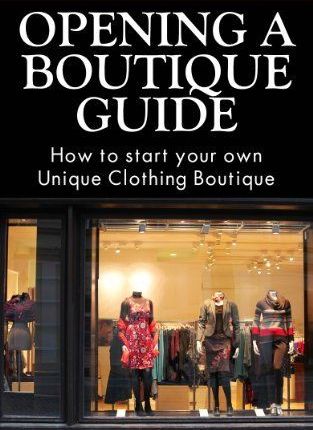
  • Planning to open your boutique here is what you need to know

    Planning to open your boutique here is what you need to know

    When you have decided it’s time to open your own store of fashionable clothes and accessories try to get as unique as possible. Niche shops flourish based on their exclusiveness in the era of online marketplace where you can buy A to Z. So let your creative thoughts shape your business into a beautiful piece of store. Fashion never fades there is something new which is trending, dressing styles or accessories, all you need to is tap the market that will be ready to buy your product.

    After sorting out all your ideas here is what you need to know the reality of starting a business

    Research and learn

    Do researches over the existing business models and draw conclusions from what you learnt from them. Talk to people involved in the same line of work. Get feedback from your friend or families over your products. It is always good to listen what people expect from a product and their feedback, it will give the room to improvise. We may be extremely good with our skills but who knows we may lack in one or two. Take classes if you want to
    be sure.

    Finances

    If you are going to quit the 9 to 5 job and start your venture remember the transition is not going to be easy. It will take time for your business to pick up and you may be short on cash in occasions. So plan ahead and save money before jumping into the hot water. You can also consider not giving up your job and start doing the business, of course juggling them both is tough but it will give you a sense of security. If you are going to take up a loan, plan how you are going to repay it.

    Wholesale

    Contact the wholesale dealers who can supply goods at the rate you wish to buy them Check out all of them and purchase from a quality dealer.

    Platform

    Where are you going to sell your goods? You can open a brick and mortar store or go completely online or try them both. If you’re planning to open an offline store, list out all the places where your business can flourish. A good locality with potential buyers surrounding should be your final spot. Your store should go in sync with surroundings you are in. Check out what is trending in your locality what actually people in that location buy.

    In online market you can start your own website or sell in the existing ones like Amazon, e-bay etc. Do u know according to a recent survey by PowerReview almost 31 percent of online shopper hit Amazon first to search about what they want to buy and 38 percent of them Google it. After choosing your platform plan your finances accordingly, a store will require rent setting up cost and maintenance. A website requires a web development team and you have to pay for Amazon for an inventory in their store.

    If you feel a brick and mortar is too much an investment in the beginning, you can try pop-up shops or become a vendor in city’s artisan market. This will give you enough opportunities to connect with your customers’ face-to-face apart from selling over the internet.

    Reputation

    What makes you stand apart from the group is reputation. There are big companies and well established brands to grow-up here you need to have quality goods. Nothing speaks louder than quality of products in any business. Apart from this you have to offer something new that only your brand can give to your customers. It may be unique designs or funky looks or exotic color combinations, it may be a small thing initially but this how brand image building is done. It makes your customer to come back to you over the time.

    Connections

    Establish good connections, talk to your customers or make a conversation with your fellow vendor at artisan market. Nothing works like well established connections with people. Talking to your customers will let you know how they feel about the product and it creates appositive outlook for your brand. Good customers with word-of-the-mouth advertising can do wonders to your business.

    Accounts management

    Calculating your expenditure and spending takes considerable amount of time. You will be staring at excel sheets to find out where your money is going. Get a get help for this or make sure your good at doing it. When you are in a job your employer will take care of you taxes but now you need to pay taxes. You need to have clear idea of your profits and losses.

    Registration and legal work

    If you have decided to operate a brick and mortar store you should obtain commercial license and get registered as a legal business. Take legal help if you are not an expertise in this domain. Reading through those endless pages of documents is an uphill task.

    Advertisement

    It is not possible to invest a lot in budget in the initial stages. Try to get most of the attention through social media and bloggers. Pamphlet distribution may sound a little too old but works well for those who are on a constrained budget. Apart from this what works the best is the recommendation of your customers, a good will among your buyers. Once you have attained it there is no more worrying about advertising or recognition.

    Pricing

    Price your stocks in a reasonable manner neither high nor low. You need to make reasonable amounts of profits to keep the business running. Not everything that is sold cheap is going to garner attention; a product priced appropriately shows the true sense of your business. Even if you are ready to sell for cheap prices at some point you need to shift gears and make profits, this will be bumpy if your customers don’t like the price hike. Instead create customer loyalty programs and coupon codes where there are discounts for recurring customers.

    Shipping orders

    When you have an order and delivery system through online market, then you need to have a little bit of assistance to handle the packing, dispatching and maintenance of stock related works. Get a member of your family or friend to help you out if hiring someone is not viable to you. Alternatively you can choose platforms which help eCommerce sectors in delivery system.

    Keep upgrading

    You may have developed an excellent brand but to stay in any industry change is inevitable. Today’s fashion is tomorrow’s boredom. Things change so adopt as fast as possible

    Don’t give up

    Yes it is going to be tough and you will face hardships. But it is all worth for your dream venture. Also don’t give up easily. You may not taste success instantly but with dedicated hard work and proper resource you are definitely going to make a mark. No great brand that exists today was an instant hit they worked their way through tough times.

    So all the best to all those folks out there planning to become the next big fashion designer, hope all your dreams come true.

    Anand Rajendran, CEO of Uptra ConsultancyServices, a leading provider of legal services, including company registration. He is the Head of Communications at Uptra Consultancy Services, India’s largest online legal services facilitator.

  • Is Your Lack of Community Involvement Hurting Your Business?

    Is Your Lack of Community Involvement Hurting Your Business?

    Each year, millions of businesses, from small to independent, make the smart choice of getting involved in their community and trying to make a difference. If you aren’t involved in your community, why not? Some business owners claim they don’t have the time or money to help out. Most business owners will agree that running a business is more than a full-time job, which leaves little time for anything else, and requires a watchful eye on finances and avoiding “frivolous” spending (and it’s hard to say “yes” to everyone who asks for a charitable donation). Regardless of your excuse, your decision to opt out of community involvement can actually end up hurting your business.

    The Benefits of Community Involvement

    As a business, whether you support your community with financial donations or with a more hands on approach, your involvement is beneficial to the community that surrounds you and ultimately supports you. From a financial standpoint, some businesses don’t feel like they can afford to be charitable, however, most (if not all) financial donations can be a deduction at tax time. Even if you get involved in other ways, you are not only making your business more visible, but you are more likely to be supported by your community (potential customers and clients) and your employees may be more committed and happy, as well.

    Ideas for Getting Involved

    The opportunities for getting involved in your community are endless. You can sponsor an event or even volunteer at an event in the community such as a festival, parade, or sporting event. If you can’t get out and about in your community, you can start a donation box at your business or host a charitable event in your workplace. Depending on what your business has to offer to the community, offering free advice or knowledge through a workshop or mentoring program can also be a great way to give back to the community. Instead of a financial contribution, you may be able to donate products or services. Whatever you chose to do, will set you apart from other businesses in your community and may boost your confidence and purpose as a business.

    How Lack of Involvement May Hurt

    One of the wonderful things about being a business owner is the independence and ability to make your own decisions about your business. While getting involved in your community is strictly optional, it’s unwise to pass on getting involved. Failure to getting involved can affect your business’ reputation and your potential customers and clients may be more interested in supporting a business that gives back to the community, which can ultimately affect your profit in the short and long term. Additionally, if you’re a business that doesn’t give back to the community or has no interest in getting involved, your employees may be embarrassed to work for a “seemingly selfish” company and may even affect the morale within your company. Volunteerism and community involvement is a popular action that is sticking around, it would be a shame to pass up all the ways it can benefit your business.

  • Manage Your Virtual Workforce with These Tips

    Manage Your Virtual Workforce with These Tips

    Working with a virtual workforce is becoming quite a hot trend, with more and more companies choosing to work virtually and avoid the traditional way of working in a serviced office space, for example.

    There are a number of advantages to working with a virtual workforce, some of which include that no time is wasted (because employees do not have to make the long commute to the office) meaning that the time saved can be used to do something more productive instead. Another advantage of working virtually is that both the employees and company would save a lot of money on rent, utilities and commuting.

    But thanks to improved technology and businesses looking at different and creative ways of working, virtual workforces and working remotely have become increasingly popular – with some businesses starting off by allowing their employees to work from home once a week, and others going completely virtual and forgoing an office space altogether.

    However, not all aspects of having a virtual workforce is easy, and one of the aspects that some employers, managers and senior employees struggle with the most is managing a workforce that is not physically in their presence. To help combat the difficulties that may arise with a virtual workforce, we are going to look at three tips that will help you to manage your virtual workforce with ease in this art

    Build the Right Workplace Culture

    Building the right company culture in a virtual workplace is of great importance, because you do not want your employees to feel disengaged and, in turn, be unproductive. In order to build the right company culture for both you and your employees you can take a number of steps. Firstly, you – as the company’s CEO, boss or senior – should work remotely yourself. This only applies if you only work remotely once or twice a week, and you will find that your employees will feel more comfortable working remotely themselves if they know you are too. Secondly you can start to integrate ‘perks’ and benefits like you would in a traditional office based setting. Some of these perks or benefits could include incentives like extra money when you reach targets or a monthly dinner if they sell more products than the month before.

    Set Boundaries and Enforce Rules

    As the head of your company you should have a list of basic rules that should be followed by all of your employee at all times. This is very important for a virtual workforce, as they need to know what their boundaries are when it comes to their daily routine and targets. Your boundaries and rules may consist of adhering to specific office times – as working virtually is not the same as flexible-working, where you can work your hours in when you can or want to – so that all of you are online and available to chat if need be, and are all contributing to the company’s work day, every day. 

    Invest in the Right Tools

    Investing in the right tools is imperative when it comes to managing a virtual workforce, as they will play a huge part in both yours and your employees’ day-to-day life, contributing to a number of factors that include communication and productivity. Choose apps that can be easily installed on everyone’s computers, that are reasonably priced and that contribute successfully to your overall mission. For example, investing in Skype will help you all communicate more efficiently, as you will be able to host conference calls, share your screen to give instructions and advice, as well as easily instant message each other for quick and simple communication.

    The above three points should help you manage your virtual workforce with ease, helping to establish a team that works well together to reach targets and goals, can take direction and knows the company’s rules and boundaries.

  • How To Get A Pre-Approved Home Loan

    How To Get A Pre-Approved Home Loan

    Everybody knows that getting a home loan is quite a tiresome process. If one is able to get a pre approval on the home loan, this will act as a catalyst and the massive process of buying new home will be only a few steps away. If one is able to show proof that he/she can afford the property/home which he/she is planning to buy, then a lot of importance will be given to that person and that person will be considered more seriously.

    The originators of the mortgage can guide you in selecting the best possible home lender and also have the power to get you a pre approved home loan on behalf of you. There are originators of mortgage like Private sale provided with online and other facilities where the application of a home loan can be completed in your home or office. In order to complete the process of a pre approval home loan, there is a requirement of some important information which needs to be provided. The banker or the lender of a home loan requires the bank statement or the payslips of about 3 to 6 months as an income proof, expenditure and an income report. Based on this information the lender of the home load will have an idea about your financial position and will be assured that you will be able to pay your bond installments every month throughout the loan period.

    There will be a check on your credit and a credit enquiry will take place to obtain necessary information on the number of credit accounts and credit inquiries you have under your name and the black-list status will be checked. This inquiry will hugely affect your pre approval of your home loan because this loan will be mainly based upon your scores you obtain under you credit and your financial ability to pay the installments every month. If you are having a low debt high income and a credit record with no black mark in it, then you are up front in the race for a new home loan and you will be in a position where you can negotiate for a good rate of interest. Getting a pre approval means that you are not entitled to a home loan but it will serve as a proof that the purchaser in every way has been qualified for obtaining a home loan.

    Once you obtain your pre approval certificate, it makes the process of looking for a new home very easy for you as you have a clear idea about how much you can afford to spend. The additional advantage is that this certificate acts like money in your pocket as your loan has already been pre approved. This certificate provides the sellers and the real estate agents with a note of confidence and the seller sometimes takes a risk in accepting a financial offer when there are other offers in line for you. And finally after you made your buying offer, this certificate enables you to save valuable time as majority of the paperwork will be done already.

    While the last advice would be for you to check on the mortgage review online for the lender that you intend to apply for loan. This is to ensure that you know how good the lender is and this can protect you from getting in trouble with the company when thing turn ugly later on.