Category: Investment

  • How Top 5 Food Franchises in the World have Affected the Food Industry

    How Top 5 Food Franchises in the World have Affected the Food Industry

    Finding out minute details about the fast food industry is not a piece of cake as it’s much more gigantic than what you think it to be. If you live in the United States or even anywhere else in the world for that matter, fast food franchises are something that have become a part of your life . These have grabbed the attention of various financial experts is the changing dynamics of the industry. The last decade has been an absolute explosion of diversity in both the aspects – menu choices and restaurant concepts. This evolution reflects a dramatically emerging industry that has been responsive to changing food industry, and entrepreneurs finding niche opportunities to earn profits.

    Even the statistics depict the similar story; globally fast food franchises generate revenue of over $570 billion that is a bigger figure than the economic value of most countries. Yes! It’s true, surprisingly though. There are more than 200,000 fast food franchises in the US, and it is estimated that 50 million Americans eat at one of them every single day.Food franchises

    Let’s find out the most popular food franchise brands that have set new benchmarks in terms of annual profits and turnovers for other brands. The companies you see below have been judged by Entrepreneur magazine on the basis of the brands’ financial strength and stability, market share, stocks, size, and startup cost. Just explore the jaw-dropping financial facts about a plethora of restaurant chain franchises; may be your favorite place also finds a spot on the list.

    1. Jimmy John’s

    This brand is the highest-ranked franchise among the long impressive FRANCHISE 500 for 2016, after finding a six slot in 2015. Its founder, Jimmy John Liautaud began his notable journey by offering free sandwiches to college students in Mattoon in 1980. And now, this sandwich joint has left all other competitors speechless with its heavy profit turnover figures.

    • Started: 1983
    • Franchising since: 1993
    • Startup Costs: $323 K – $544 K
    • Average Annual Gross Sales $1,326,276
    • Average Net Profit from Operations $247,256

    2. Subway

    The next on the list is Subway that promotes the idea “eat fresh” from the day it was started. This franchise is owned and operated by Doctor’s Associates. This company collects 8% of revenue from each franchise. Presently, it owns 44,000 stores in 110 countries. The brand controls 60% of the quick-services-sandwich market in the US.

    • Started: 1965
    • Franchising since: 1974
    • Startup Costs $116.6 K – $263.2k
    • Brand Value $7.1 Billion (May 2016)
    • Sales $19.2 B

    3. McDonald’s

    This food joint is one that has gained an impressive loyal customer base due to its high-quality products and prices, especially, in 2015 when it scored a good market share after introducing all-day breakfast in their menu which turned out to be a huge hit and contributed more money to its account. Mc Donald’s announced a record annual turnover of $27 bn as it continued to win more customers all around the world, including Asian countries. It vowed to open 1,300 outlets in different countries by the end of the year.

    • Started: 1995
    • Franchising since: 1955
    • Number of franchise units in 2015-29, 712
    • Startup Costs: $989.4 K-$2.2 M

    4. Dunkin Donuts

    The first Dunkin Donuts was started after the enormous success of Open Kettle in 1950 in Quincy, Massachusetts (USA). Presently, this popular coffee and baked product food chain can be found in more than 30 countries worldwide in over 10,000 locations. This place has turned out to be the leading Coffee and Baked Goods chain offering more than 900 million donuts and 1.5 billion cups of coffee in a year, globally. It is planning to spread its food web in various other locations.

    • Started: 1950
    • Franchising since: 1955
    • Number of Franchised units in 2015: 11,460
    • Startup Costs: $217.3K -$1.6M

    5. Pizza Hut

    This is one of the most popular food chains serving a slice of a giant piece with different toppings. The single agenda of this food chain in to boost their growth by serving good food to people all over the world. In 2016, they expect to open at least 525 new international restaurants and expect to grow operating profits 7% in constant currency.

    • Started: 1958
    • Franchising since: 1959
    • Number of franchising units in 2015: 13,248
    • Startup Costs: $297$- $2.1 M

    Well, the fast food franchising industry is an institution; it’s here to stay for a long time. Although, the market and consumers’ changed eating habits have affected the franchising industry to a great extent. But it has fought back in an extraordinary way by making some changes here and there to regain its major portion in the food industry.

  • Top 7 Habits of Successful Real Estate Investors

    Top 7 Habits of Successful Real Estate Investors

    Real estate has long been known to be an ideal investment. It provides an avenue for establishing long-term wealth. Residential property, property management of commercial spaces and wholesaling are just some ways investors can profit from real estate. However, this career is a competitive path for investors, which may be a little bit tricky especially when you are a first timer.

    The moment you decide to invest in a real estate such as the High Park, there are certain things to consider to achieve a desirable outcome. For real estate investors, they work hard to become financially stable as is necessary for their peace of mind. And to succeed, one must not only plan, but also observe these habits below.

    1. Successful Real estate investors have a plan – and work it

    You can never start your investment if you do not have any plans at all. What you want to do with the investments? How will you manage a property effectively? Do you have any idea on how real estate investment works? If you don’t have a concrete outline of your plan, this may be difficult for you to survive on the investment. Obviously, an effective plan is needed. Figuring out and execution of your plan is another thing you need to consider. Although sometimes it may be challenging on your part, it is still achievable when you are sure of the things you do.

          2. Successful investors network

    Since real estate investment is a competitive career, an investor should have the ability to get reliable information and advice to achieving a desirable outcome. Moreover, to succeed, it is advisable for investors to choose a mentor who is knowledgeable, motivating, accessible, and is known for high ethical and business standards. However, try not to depend too much on your mentor and always asking for information that you could get from a simple research.

         3. Successful investors protect their assets

    One of the most important things for a real estate investor is to safeguard their assets. Regardless of how much money you put on that particular investment, if you do not protect it, then it would only be useless. As an investor, it is a must for you to be mindful of creditors, plaintiffs, and the taxman. They are tedious, complicated, and time-consuming. And if you are not careful enough around them, this may be the end of your investment. Sure thing, you do not want to lose all of your effort in no time.

        4. Successful investors have a code of ethics

    When it comes to real estate, it is not just about purchasing a property or bricks and cash. In fact, it is about people. There will be no real estate business when there are no agents, contractors, sellers, renters and so on. And since real estate involves people, it is important to decide how you are going to treat them as you come into contact with each day.

       5. Successful investors include their families

    Just because it is a business, that does not mean you are not going to include your family. Engaging your family with the investment is not a bad thing at all. In fact, this is also one way you to get some suggestions and opinions from your family.

       6. Successful investors treat everyone better than they expect them to be treated

    Again, your attitude towards the people who are involved in the real estate business matters the most. When you extend a helping hand just to solve people’s problems, both profit and success will surely follow.

      7. Successful investors stay educated

    Every single day is a learning experience. Yes, cliché as it may seem, but it holds dear to those people who want to achieve success. Of course, investors should also learn from other successful investors – on how they got their achievements and other things that you ought to know. With this, you will have some ideas on that matter. Moreover, do not be afraid to share your knowledge with other investors – this is an excellent opportunity to exchange some thoughts on how to achieve a desirable outcome.

    Being successful in the field of real estate is not just about getting the most what you want in life. It is also about how satisfied and happy you are with what you have. If you’re thinking about long-term investments, then reflect on how you can be happy in the future – and not just with the present.

  • Why Green Home Improvements are a Good Investment

    Why Green Home Improvements are a Good Investment

    When people think about investments, they usually think of a couple of commonplace options such as a retirement fund, maybe some stocks of purchasing some real estate somewhere sunny. Very rarely do they consider improvements on their existing home as investments. Considering how much these improvements can do to increase the value of one’s home and how good the ROI can be, it is wonder more people do not do it.

    One of the ways to go is with green home improvements, i.e. those that make your home more environmentally friendly.

    Why Green?

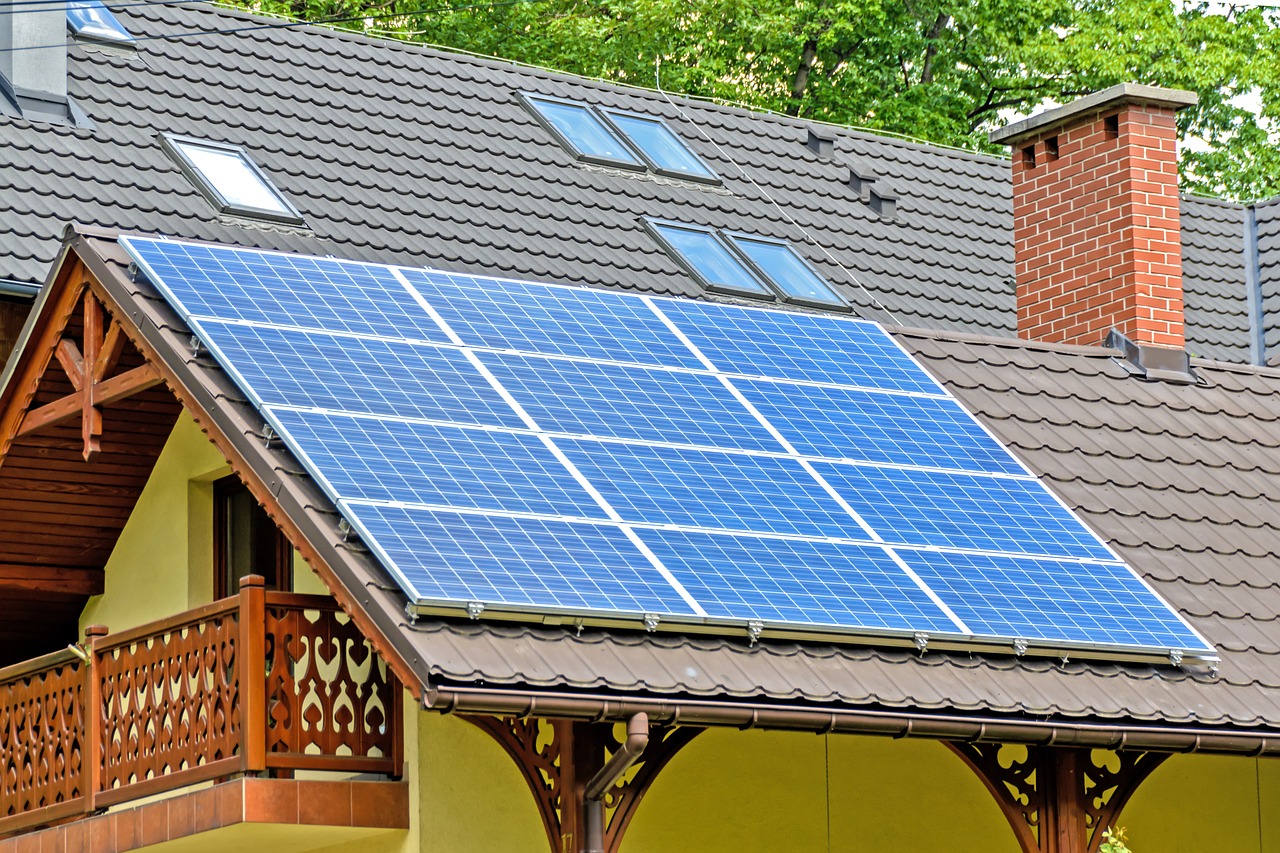
    The first and the most important reason why you will want to go green with your home improvements is that the value of the home is increased due to these improvements. For example, it is estimated that installing a solar system increases the value of one’s home by $3 per watt of energy that can be produced by the system. The same goes for various other green improvements that you can invest in, such as new windows and doors or improved insulation.

    What are the Options?

    The good news is that there are almost innumerable green home improvements to choose from. What this means is that depending on your particular situation, you will still be able to find the improvement that will fit your budget and your needs.

    One of the options are the so-called tankless water heaters. Instead of heating and keeping a certain amount of water hot at all times, these heaters only heat the water you are using. This not only saves on electricity, but also does great things to reduce your water consumption.

    A programmable thermostat is another fantastic investment which is not that huge, especially when you consider the savings you make. This type of thermostat enables you to better control your A/C system, thus dramatically reducing the amount of electricity you waste on keeping your home at the perfect temperature.

    While we are on the subject of reducing the amount of electricity you spend on air-conditioning, we should also mention ceiling fans. They might seem a bit old-school or even outdated, but in reality, they are a fantastic way to keep a room cold while spending only a fraction of the electricity that an A/C system uses. In the Mediterranean, you will discover that a vast majority of homes still feature fans instead of costly A/C systems.

    Of course, there is also the option of installing an entire solar system which will provide your home with cleaner energy that will also be cheaper than using the more traditional electricity sources available in your area. With a comprehensive solar energy system, you can pretty much stop paying your electricity bills and perhaps even start selling the electricity to the local government.

    Are Green Improvements Costly?

    For the most part, green home improvements are not that expensive. For example, a programmable thermostat will cost you under $200 a year. A tankless water heater will cost under $2,000 and the savings you will make in both electricity and water will be huge.

    Solar systems and similar, more comprehensive solutions can be somewhat expensive. Luckily, there are now new financing options that will make the initial investment much more manageable. With PACE, for example, you do not pay upfront for your green home improvements and instead, you pay them off over time, while still reaping the benefits immediately. You can find more about PACE financing at this link.

    Closing Word

    There is something very important that we should not forget about here. All of these green home improvements will also do great things for the environment. So, besides being a prudent investment option, these improvements will also help conserve the planet.

  • 5 Ways to Invest in Your Employees

    5 Ways to Invest in Your Employees

    There are many ways in which you can elevate your way of doing business to a next level, such as better marketing campaigns, solid business plans and even fresh new business ideas. However, most of these things are unreliable at best. The only way to be certain that your business efficiency improves is to find a way to invest in your employees. More skilled, better motivated and well-versed teams will certainly bring better ROI. With this in mind, here are five most cost-efficient ways to invest in your employees.

    Weekly Recognition

    In the past, a lot of businesses heavily relied on the employee of the month practice in order to boost morale and encourage people to get more involved. Unfortunately, in the past few years, it was proven that this particular practice may not have been as good as was formerly believed. Putting one person on a pedestal tends to raise tension in the office and even evoke animosity. On the other hand, a weekly recognition means that you will show your appreciation to everyone (even if it’s the entire office) for any good work they might have done.

    TeambuildingImage 3

    Sometimes, every staff member in your company will give their very best, but the results still won’t be satisfactory. The reason behind this may be the fact that even the most talented individuals don’t necessarily make a great team. Needless to say, in large group projects that can determine the future of your company, having a great team is the absolute paramount. In order to fix this, you might want to consider some teambuilding activities. Sure, going somewhere on a team vacation is great, but often extremely expensive. Luckily, there are some teambuilding activities you can even do in your office like truth or lie, poker tower or egg drop.

    Invest in Technologyimage 2

    Another way in which you can help out your employees to unlock their full potential is to invest in technology to make their job easier. Purchasing a device, an app or a platform service to take up some of their most repetitive, mundane tasks may allow them to focus on the things that really matter and, in this way, significantly improve the quality of their work.

    Make Room for Advancement

    Even if the pay at your company is good, if you don’t give your employees some room for advancement, they might feel suffocated. Vertical mobility is the key part to keeping most promising (and most ambitious) employees motivated and eager for work. If this is absent, you shouldn’t be surprised if your best talent leaves you only to work for your competitors. In the modern business world, everyone thinks of themselves first.

    Investing in Educationimage 1

    Last, but in no way the least important, you need to think about further professional growth of your employees and provide them with additional seminars that will help them acquire new skills. For example, instead of outsourcing your accounting, you can send your most promising staff members on renowned financial planning courses. In the long-term, this always pays off since it allows you to deal with one of the most important aspects of your business in-house.

    As you can see, none of these steps cost you much resources or effort, but to your employees, this can mean a lot. In this way, you will show them just how much you care and this often goes a long way. Today, in a hostile dog-eat-dog world of business, this kind of loyalty can make the delineation between success and failure go in your favor, which is never a small thing. Just show your staff you care about them both as individuals and professionals, and you are both likely to benefit from it.

  • 7 Signs You’re Ready to Buy Your First Home

    7 Signs You’re Ready to Buy Your First Home

    For-saleFor most people, purchasing a home is their first big investment. You likely haven’t bought anything as expensive or as big of a commitment as a house before you purchase your very first home. Which means, if you’re like most, you’ll be hesitant to do so. Maybe the purchase makes you slightly nervous, or you might be unsure if you are ready to transition from renter to homeowner.

    However, everyone is different and has varying situations. There is no standard “right time” that one can use. But, if you’ve been pondering the idea of homeownership, there are several signs that tell us you might be ready.

    Below you’ll find 7 telltale signs that you’re ready to take the leap and buy your first home.

    1. You’re ready for the big commitment.
    If you believe you’re ready to become a homeowner, consider if you’re ready to essentially be your own landlord. All home maintenance now falls in your lap, and, depending on what they are, they can be costly.

    Also, with homeownership comes more financial responsibility in terms of paying property taxes, possible HOA fees, and mortgage and loan payments, not to mention the additional costs, such as inspections, moving fees and the time/money you’ll spend if you end up selling in the future.

    If you’re ready to take on all of this, then you’re at least one step closer to buying your home. However, if you’re not ready for all this commitment, it’s not a great idea to buy a home.

    2. You have adequate funds.
    Secondly, while you might be ready for the commitment, you obviously need adequate funds to purchase a home. This means, at the very least, you need to have enough money for a down payment.

    Oh, and an expert tip for your loan is to get pre-approved by a mortgage broker. Look for one with excellent reviews and try to stay away from banks, as independent brokers are more motivated to help you with all of your specific needs.

    Let’s take a look at the big picture for a second. The less you owe on your house, the less you’ll have to pay off. Which, in return, means less interest will be added to your loan payment. But the loan is separate from your down payment.

    If you can put a large amount of money toward a down payment on a home, you’re starting off on the right foot. While a lot of people find it hard to use a large lump sum for a down payment, rather than a nice car or fancy trip, think of it as an investment. That money will go toward your equity, and you’ll see it when/if you sell your house at some point in the future.

    While a good starting point for your down payment is about 5 percent of the total cost of the home, ideally you’d like to have at least 20 percent of the total cost saved up for you down payment. This is because if you make a down payment of 10 percent or lower you will have to pay a monthly private mortgage insurance fee, which protects the lender in the event you default.

    3. Owning could cost the same or less than renting.
    In some cases, renting can cost just as much as a mortgage and associated fees. You may be tired of paying high rent and believe it’ll be more beneficial to own at the same costs. If you’re paying high rent prices, it is better for those payments to go toward your own home equity. Look up interest rates and the cost of mortgages, and talk to a financial advisor/bank to look at your options.

    4. Low interest rates are available.
    It’s a new homeowner’s dream to have a low interest rate on their mortgage loans. In the long run, it can save you a ton of money. If you’ve been considering buying a home and the interest rates are low – as they are currently – that’s a great time to take the plunge.

    5. You’ve created a budget.
    A budget is the number one way to keep track of your finances and clearly illustrate what you can and cannot afford. Even if you think or know that you have money for a down payment, be sure to take a good, hard look at your finances.create a budget

    Then create a budget that you plan to stick to. Be sure you include the amount that the household brings in, and subtract all the bills and necessities. That number is where your down payment and housing expenses will come from.

    6. You plan to stay in the area.
    Perhaps you’re ready to commit, you have the funds for a down payment, and the price of renting is about the same as a mortgage payment would be. Great! But, if you don’t plan to stay in the area for about five to seven years, you might want to reconsider buying a home.

    While you certainly can purchase a home for the short term, it’s not the best move financially. With the exception of a plan to keep the property and rent it out, that is. When you consider all the costs that go into the home – your down payment, mortgage payments, repairs, maintenance, and renovations – to turn around and sell it after just a couple of years doesn’t make much sense. You are very unlikely to break even.

    7. It’s a buyer’s market.
    Just as when interest rates are low, when the market you’re looking in is experiencing a buyer’s market, that is another great time to take advantage of. A buyer’s market refers to a time when the demand for houses is low, and there is plenty of inventory in the market. Homes in a buyer’s market don’t tend to move too fast and, while they are often priced high, buyers can usually negotiate a lower price.buyer-market

    Purchasing a home is a huge milestone in your life. As exciting as it is, it can also be nerve-wracking and confusing. There are many parts of the home buying process that aren’t as fun as shopping for the perfect property to call yours. For inexperienced buyers, it helps to have the professional help of an experienced real estate agent on their side.

    If you’re looking to take a permanent residence in the Atlanta and surrounding metro areas, rely on Janet Elliot for all your first-time buying needs. With over 28 years of experience, she offers insider knowledge of the area and its neighborhoods. Plus, she uses her expertise to make the home buying process as stress-free as possible.

  • 5 Effective Ways To Get A Fair Price on Home

    5 Effective Ways To Get A Fair Price on Home

    There is always one thing in common when it comes to real estate investment – the PRICE. A good and fair price has a direct impact on the buyer’s and seller’s side, considering nobody wants to be at the disadvantage. Who would, right? Yet as we all know, pricing decision can result in an important consequence. It can make or break a good deal. That means, setting the right price level matters the most.

    However, just because you can afford the price, that doesn’t mean you’re getting a good offer. Investing in a property such as Alveo condominium Tayagay is not just about the purchase. There must be a smart judgment to get a fair price.  But how do you really know if you are getting a fair deal on the price? Here’s how:

    1. Research recently sold, comparable properties

    Comparing properties is not just about how similar or different they are in terms of their sizes, condition, neighborhood and their amenities. When you compare, you basically include all the aspects of the property – not just the features but also the prices. Generally, most home investors gain their interest in the comparison of prices in different properties. Is the property less expensive than larger or nicer properties? Or is the property more expensive when it’s smaller? This will give you an idea on which of the properties has a better offer than the other.

    1. Check out comparable properties that are currently on the market

    Aside from the properties that are recently sold, you can also try visiting other homes on the market. Perhaps, there are home features that you can find on a certain property that you want to have. Also, checking such will give you a big difference when it comes to comparison in many aspects of the property. With that, you can then start comparing prices and see if that particular feature is worth the offer.

    1. Look at comparables that were on the market recently but didn’t sell

    Just because the property didn’t sell, that doesn’t mean it is no good at all. In fact, you can have a better option when it comes to their prices.  There are even properties that are on sale with an affordable price without compromising its quality. If you are interested, then you can check out the unsold inventory index for the information about the current supply and demand in the housing market.

    1. Consider market condition and appreciation rates in the area

    Whether you realize it or not, there are sellers who tend to overprice the property. There are also for sale properties especially when it’s urgent, sellers go for an underpriced rate.  If you are not keen when it comes to its price, you may not get a desirable offer. That is why it is important for you to consider the impact of interest rate. Of course, this all depends on where the market is currently situated in the real estate curve.

    1. Are you buying a for-sale-by-owner property?

    There are actually different ways of purchasing a property. One is through the for-sale-by-owner property (FSBO). It is when selling a property without the use of real estate agents. Investing in this kind of property should be discounted since there is no seller’s agent commission. However, this is one of the things many sellers don’t take into consideration when setting their prices. There are also possibilities that sellers may not have an agent’s guidance in setting a reasonable price, which may result in a bad deal. As a home investor, you have to be keen when it comes to its price.

    The price is a big factor in the investment. If you want to have a smooth sailing process, then start your search with a good deal. Check if the property is worth the investment. Moreover, never forget to be keen when it comes to having a fair price.